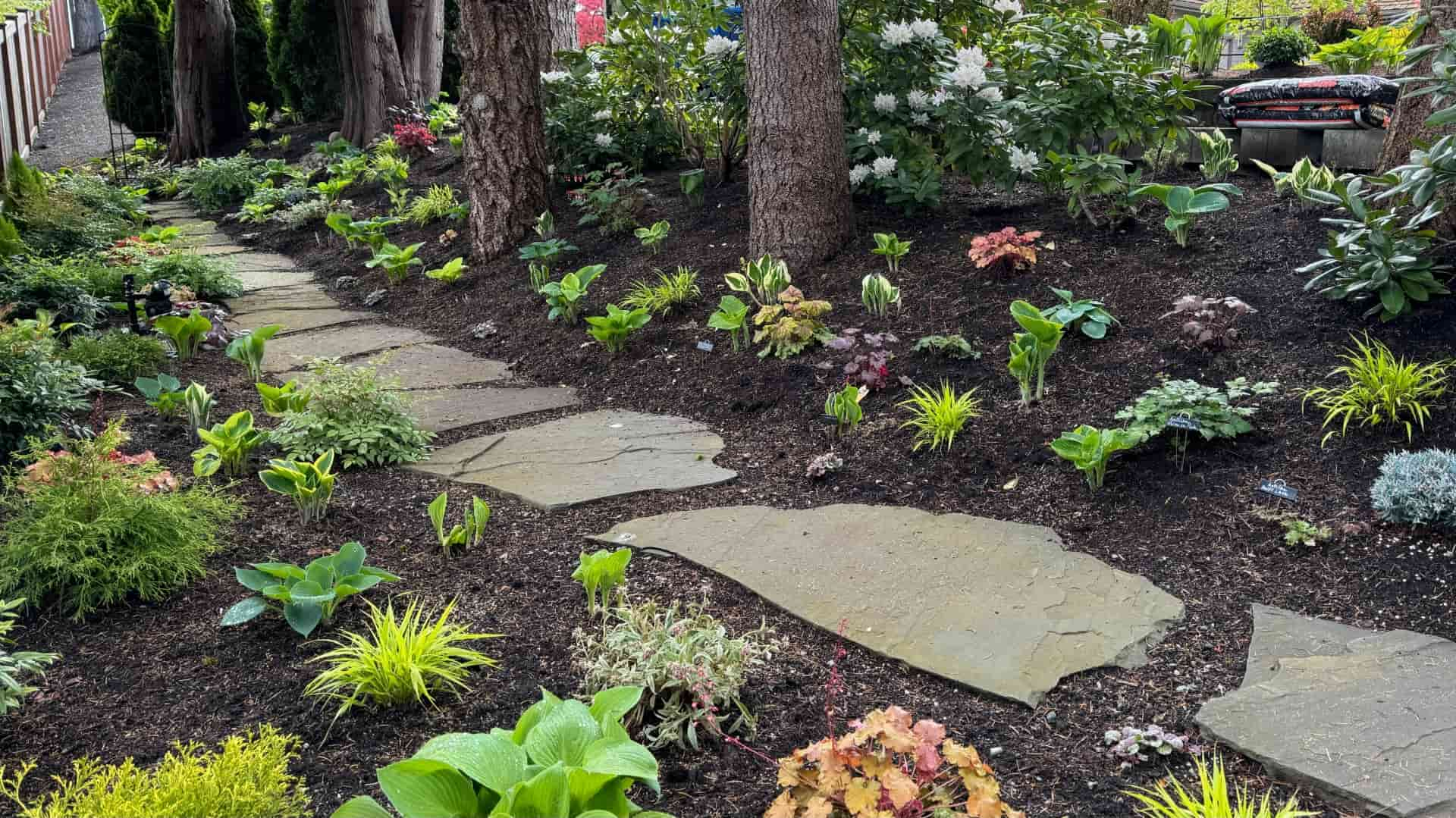
Best Plants to Install in the South Puget Sound This Fall
Cool nights, warm soil, and the return of steady rain make autumn the smartest season for landscape planting across the South Puget Sound. If you want a yard in Puyallup that looks great now and thrives next summer, this guide to the best plants to install in the South Puget Sound this fall will help you choose trees, shrubs, grasses, and perennials that establish deep roots and deliver long-term curb appeal.
Local conditions matter. Puyallup sits in a valley that runs a bit cooler than nearby hilltops like South Hill and Sunrise. Most homes here fall in USDA Zone 8b, with wetter winters and dry spells in late summer. Picking plants that handle those swings is the key to a yard that looks sharp with less work.
Why Fall Planting Pays Off in Puyallup
Fall planting gives roots a comfortable runway. Soil stays warm after summer, rain returns, and plants can focus on root growth rather than pushing new leaves. By spring, they wake up with a head start and handle July and August with better drought tolerance and fewer replacements.
- Healthier root systems thanks to steady moisture and cooler air
- Less transplant stress and better survival for woody plants
- Curb appeal that holds up through winter with the right evergreen structure
When you want a professional eye on plant selection and spacing, our local team can design and install beds for four-season interest. Explore our planting services to see how we plan, stage, and install for lasting results.
Trees That Shine In South Puget Sound Landscapes
Small to Medium Ornamental Trees
Trees set the frame for your entire landscape. The choices below add color, structure, and wildlife value without overwhelming smaller lots in Downtown Puyallup or tighter spaces off Shaw Road.
- Vine maple (Acer circinatum): Native understory tree with glowing fall color and graceful branching for side yards and entry beds.
- Japanese maple cultivars (Acer palmatum): Many compact forms fit near patios and walkways while bringing vivid foliage and winter structure.
- Serviceberry, including ‘Autumn Brilliance’ (Amelanchier): Four seasons of interest with spring blooms, edible berries for birds, and fiery fall leaves.
- Stewartia (Stewartia pseudocamellia): Camellia-like summer flowers, patterned bark, and reliable fall color in sunny to lightly shaded spots.
- Parrotia ‘Vanessa’ (Parrotia persica): Columnar habit for narrow side yards, with orange and red fall foliage.
Pro tip: Place feature trees where you see them from inside on gray winter days. Thoughtful sightlines make small yards feel larger and more welcoming.
Shrubs That Anchor Beds All Year
Evergreen Workhorses
Evergreen shrubs keep structure when perennials fade and make winter views near the porch or driveway feel finished.
- Evergreen huckleberry (Vaccinium ovatum): Northwest evergreen with glossy foliage and berries for birds. Great in bright shade or morning sun.
- Salal (Gaultheria shallon): Dense ground-hugging shrub that knits slopes and pairs well with ferns under conifers.
- Oregon grape (Mahonia aquifolium): Blue-green leaves, yellow spring blooms, and blue berries. Tough, architectural, and pollinator-friendly.
- Boxwood and inkberry holly: Classic, tidy structure for foundation lines and front walk edges where you want crisp form.
Flowering and Foliage Accents
These shrubs deliver bloom, fruit, and fall color without heavy upkeep, which is perfect for busy schedules in South Hill or along the River Road corridor.
- Red-flowering currant (Ribes sanguineum): Early spring blooms that light up gray days and draw hummingbirds.
- Pacific ninebark (Physocarpus capitatus) or compact cultivars: Exfoliating bark and white spring flowers for multi-season interest.
- Blueberry (Vaccinium corymbosum): Edible summer fruit plus electric red fall foliage in sunny, well-drained beds.
- Camellia sasanqua: Late fall to early winter flowers and glossy evergreen leaves for front entry pop.
Local insight: In Puyallup and nearby neighborhoods, the first hard frost often shows up toward late October. Getting woody plants in the ground by early fall lets roots settle while soil is still warm, which helps them ride out summer dry spells next year.
Ornamental Grasses That Add Motion And Light
Grasses catch low autumn sun and keep beds lively through winter. They also knit together mixed plantings in larger front yards from North Puyallup to Edgewood.
- Feather reed grass (Calamagrostis ‘Karl Foerster’): Upright habit for narrow borders and clean lines along walkways.
- Tufted hairgrass (Deschampsia cespitosa): Native texture that softens boulders, water features, and rain garden edges.
- Little bluestem (Schizachyrium scoparium): Copper-orange fall tones and tidy clumps that hold shape into winter.
- Blue fescue (Festuca glauca): Compact mounds for sunny, dry corners near driveways and mailboxes.
Helpful reminder: Choose clump-forming grasses for small beds so they do not overrun perennials. Reserve spreading species for larger spaces or slopes.
Perennials That Perform In Our Climate
Reliable Color From Spring Through Fall
Layer perennials around your shrubs and trees to stretch color across the year without constant replanting. These thrive in Puyallup’s cool, wet winters and drier late summers once established.
- Hellebore (Helleborus): Winter and early spring blooms in shade. Evergreen leaves hold beds together when little else is flowering.
- Native and garden asters (Symphyotrichum): Late-season color and great pollinator value through October.
- Penstemon and black-eyed Susan: Long bloom windows that carry sunny borders through mid to late summer.
- Sedum ‘Autumn Joy’ and kin: Succulent foliage with rosy fall flowers that stand up to heat and look tidy after rain.
- Sword fern (Polystichum munitum): Evergreen backbone for shady sides of the house and under mature trees.
Rain-Friendly Choices For Low Spots And Drains
Many Puyallup lots see puddles or slow drainage in winter, especially near the bottom of slopes or along fence lines. Look for plants that tolerate a little extra moisture from November to March, then enjoy drier feet by July.
- Douglas spirea (Spiraea douglasii): Pink summer flowers and strong stems for rain garden edges.
- Sedges and rushes (Carex, Juncus): Texture and winter interest in swales, side yards, and along downspout paths.
- Red-twig dogwood (Cornus sericea): Bright winter stems against evergreens, with tolerance for seasonal wet.
If a wet corner or slope has you stumped, our crew can match plants to your microclimate and set the layout so it looks natural and stays healthy. See how our planting services blend evergreens, perennials, and rain-friendly options for dependable year-round interest.
Design Notes For Neighborhood Microclimates
South Hill and Sunrise tend to be breezier and a touch drier than the valley floor. Downtown Puyallup and older neighborhoods near the river often have heavier soils that stay cool and wet in winter. That mix rewards a simple approach: sturdy evergreens for bones, seasonal color tucked where you spend time, and grasses that glow in evening light.
Want to see how structure and color work together across our seasons? This article pairs well with our quick-read on creating a backyard that looks great through every Puyallup season.
Planting Strategy For Long-Term Curb Appeal
Think of your yard like a team. Trees handle scale and shade. Shrubs provide shape and screening. Grasses add motion. Perennials deliver highlight plays when you want extra color. Keep the palette focused so the scene feels calm in January and exciting in September.
- Group plants by light and moisture so care is simple and growth stays even.
- Mix evergreen structure with seasonal stars for interest every month of the year.
- Use repeats of the same plant across the front for a clean, finished look that reads well from the street.
Ready To Refresh Your Landscape This Fall?
Fall offers the best window to set roots for next year’s growth across the South Puget Sound. If you want a plan that fits your house style, sun, and soil, Titan Landscape Improvement is here to help with design and installation that looks great from day one and keeps paying off year after year. For friendly guidance or to schedule a visit, call 253-324-4034 or start with our planting services overview.
Prefer to browse ideas first? Our home base for best plants to install in the South Puget Sound this fall content and local inspiration is packed with practical ways to shape a yard that fits life in Puyallup, WA.